Expert Workplace Disinfection
Professional sanitation and food hygiene professionals in Brampton assist food establishments, food centers, baking facilities, warehouses, and mobile food services staying compliant. They decontaminate high-contact points, food preparation surfaces, equipment, floors, drains, restrooms, and food handling spaces with approved chemicals, maintaining proper ratios, and recording exposure duration. You require regular sanitation determined by hazard level, food throughput, food allergies, and inspections, plus documented proof backing HACCP, audits, and regulatory adherence. The following information explains what strong sanitation programs should include.
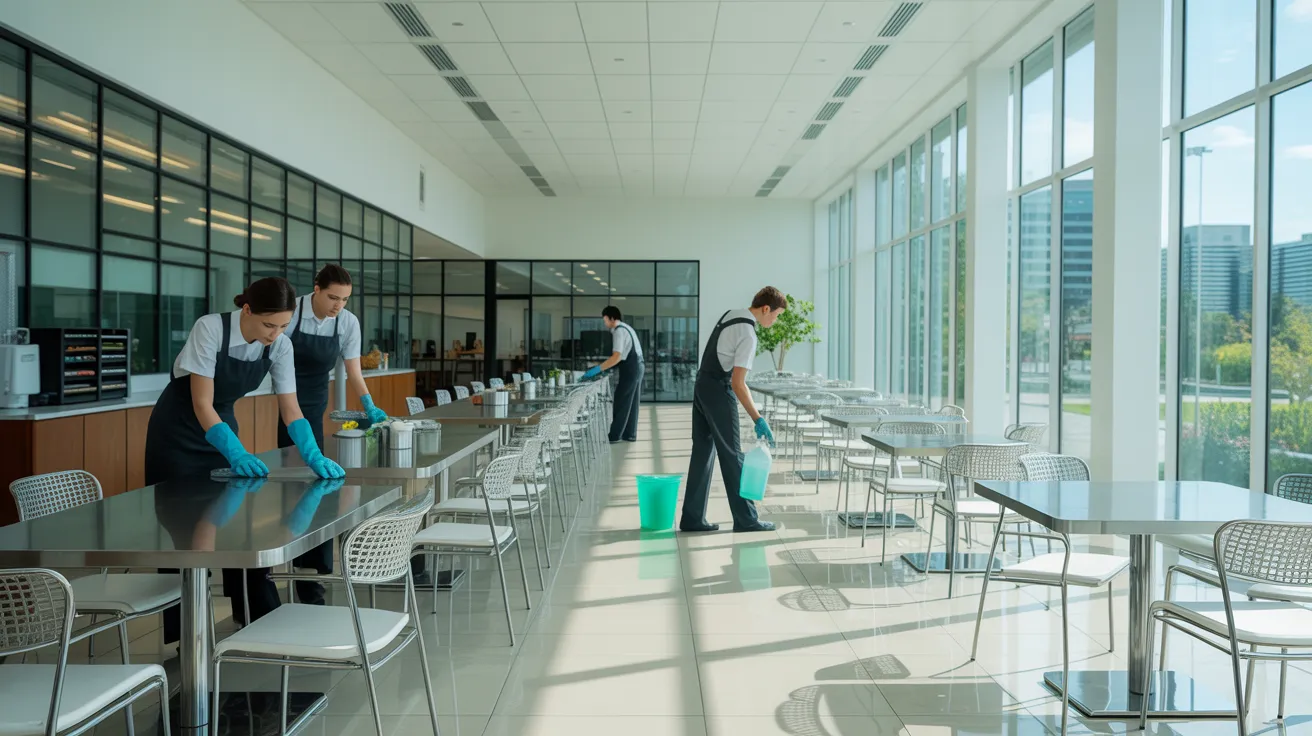
Key Takeaways
- Brampton sanitation experts support restaurants, grocery departments, commissaries, warehouses, bakeries, schools, mobile vendors, and allergen-sensitive operations.
- Cross-contamination reduction is ensured by sanitizing frequently contacted areas, food-contact equipment, kitchens, floors, drains, restrooms, and storage areas with sectional methods.
- Approved sanitizer dilution, suitability, and contact time are verified by certified providers, with finalization documented via tests, assessments, and action records.
- Maintenance schedules should comply with hazard, production rate, switches, accidents, and requirements, with routine, recurring, and annual activities assigned by area.
- Opt for suppliers with hazard analysis knowledge, health regulatory, competency, WHMIS, training, protection, testimonials, coded instruments, and audit-ready maintenance files.
What Brampton Facilities Require Food Safety Cleaning?
Brampton establishments that manage, store, prepare, package, or offer food require hygiene cleaning. Implement it if your facility is falls under health department oversight, food standards, or HACCP systems. The mandate covers dining establishments, employee cafes, food distributors, market sections, meat shops, fish counters, local shops, and commercial kitchens.
Adherent sanitation standards is needed in supply warehouses, processing plants, freezer locations, commercial bakeries, school food programs, reception facilities, and food delivery centers. Temporary mobile establishments are included, examples being mobile kitchens, market vendors, and seasonal booths. Your establishment needs established hygiene documentation if your workers prepare supplies, portion finished foods, reheat dishes, or organize allergen inventory. In Brampton, food safety remains not elective; it constitutes statutory, functional, and public health adherence.
What Do Brampton Cleaning Experts Clean?
You need professional cleaners who sanitize high-touch surfaces, kitchen areas, floor surfaces, and bathrooms to meet food safety and public health standards. They target these areas because they present the highest risk for contamination spread, slipping risks, and sanitation breaches.
Knowing their service areas allows you to confirm your operation's sanitation satisfies required standards and regulations.
Important High-Touch Surface Disinfection
develop a sterilization schedule
Maintaining a sequential workflow, rotating cleaning materials, and keeping sanitization equipment according to zone ensures that cleaning stays documented, auditable, and compliance-ready at all times
Kitchen Areas, Floor Surfaces, and Bathroom Spaces
Brampton cleaning professionals will handle kitchens, floors, and restrooms since each space presents separate hygiene concerns, slip-and-fall, and community health challenges. In industrial kitchens, you need degreasing on cook lines, equipment exteriors, drains, prep surfaces, and splash zones to minimize bacterial growth and pest activity.
Floor care that is documented should also be anticipated. Technicians scrub and extract buildup from tile grout, ceramic surfaces, and vinyl floors, then apply suitable dehydration methods so you can limit falls and meet regulatory standards. They also handle entry points where dampness and dirt enter the building.
Restroom sanitation requires decontaminating touchpoints, fixtures, partitions, dispensers, and waste containers, restocking supplies and controlling odours. They also maintain restaurant cleaning supply rooms where product storage, sink cleanliness, and drain systems impact daily sanitation standards and worker protection.
The Importance of Food Safety Cleaning in Brampton
Brampton operations require proper hygiene standards to fulfill health code requirements and pass audits. You also minimize bacterial spread through proper cleaning of food-preparation surfaces, appliances, and frequently-touched items. Most importantly, you help protect public health by lowering the risk of foodborne illness in your facility.
Food Safety Regulations
Food establishments in Brampton face mandatory safety protocols, making food safety cleaning vital to satisfying health code requirements, ensuring the safety of patrons, and preventing enforcement action. You must maintain clean food preparation areas, documented cleaning schedules, correct sanitizer application, and documented employee protocols that align with municipal and provincial inspection expectations.
Failure to maintain cleaning standards leads to notices, compliance orders, reputational damage, and operational suspension during further inspections or enforcement reviews.
Cross-Contamination Prevention
Meeting regulatory requirements also depends on your capacity to stop cross-contamination during daily food handling and cleaning. You must keep raw items away from prepared dishes, sanitize prep surfaces between tasks, and store chemicals away from food-contact items. Clear procedures reduce transfer risks and ensure ongoing adherence to health checks.
You should implement allergen segregation to keep priority allergens from contacting shared surfaces, containers, or equipment. Employ separate boards, labeled implements, and strict utensil labeling so employees avoid combining products throughout cooking or serving. Require handwashing after handling raw meat, seafood, eggs, or allergen-containing products. Change cleaning rags frequently, and check disinfectant potency using test kits. When staff members receive training on these procedures each work period, you create a cleaner, safer operation that satisfies Brampton's safety standards consistently.
Public Wellness Defense
When food safety cleaning breaks down, you don't just risk a failed inspection—you increase the chance of foodborne illness affecting customers, staff, and the wider Brampton community. You also weaken your role in safeguarding community wellness, especially in busy food facilities where contamination can spread quickly through surfaces, equipment, and touchpoints.
You must establish cleaning procedures that eliminate soils, sanitize properly, and confirm effectiveness. This involves adhering to exposure times, employing authorized sanitizers, logging schedules, and training employees to satisfy regulatory standards. These controls promote pathogen reduction by decreasing microbes before contaminating food or surfaces. Across Brampton, effective sanitation safeguards vulnerable groups, reduces disease potential, and shows your diligence. When you follow standards, you go beyond requirements—you meaningfully reduce risk and enable safer food service city-wide.
How Can Cleaning Practices Ensure Food Safety Compliance?
Maintaining strict sanitation practices strengthens food safety compliance by reducing contamination risks, managing pathogen expansion, and keeping your facility compliant with sanitation requirements under HACCP-based programs and public health regulations. You verify that contact surfaces stay visibly clean and microbiologically controlled, backing documented preventive controls and inspection readiness.
Systematic cleaning additionally solidifies allergen management by clearing residues that can trigger undeclared allergen exposure. When you combine approved sanitation protocols with safety training, your staff can implement consistent approaches, apply approved chemicals correctly, update records correctly, and respond to discrepancies prior to issues intensify. Regular cleaning promotes supply chain documentation, verifies corrective steps, and demonstrates commitment during audits. It also helps you protect quality assurance, maintain operational adherence, and reduce the chances of enforcement actions, recalls, formal complaints, and unnecessary health dangers.
Finding When to Arrange Commercial Cleaning
surfaces can accumulate contamination
daily routines
Selecting the Right Brampton Cleaning Experts: Key Considerations
Screen providers initially by their food hygiene standards—not budget alone. You need to confirm that every company meets CFIA, public health, and HACCP-aligned expectations for your operation. Demand proof of insurance, WHMIS compliance, training records, and management systems. Evaluate technician knowledge of cross-contamination risks, chemical safety, and documented sanitation practices.
Additionally, you need to evaluate operational reliability and responsibility. Obtain references from Brampton food operations, then review service speed, corrective measures, and communication standards. Verify the company conducts supplier reviews and can deliver compliance-ready records when inspectors or external parties need proof. Verify equipment upkeep, color-coded equipment are applied correctly, and site-specific hazards are identified. A capable service protects compliance, product integrity, and your reputation.
What's covered in a sanitation cleaning strategy?
Document a framework that defines every sanitation activity, guideline, and role before production begins. You should record cleaning frequencies, approved chemicals, dilution rates, contact times, tools, and verification methods for each area, surface, and device. Ensure you include pre-operational inspections, corrective actions, and employee training requirements.
Your plan should also tackle prevention of contamination, waste management, pest-control tactics, and scheduled records for restrooms, drains, floors, and food-contact areas. Outline how you'll distinguish between uncooked and prepared items, facilitate ingredient tracking, and keep accurate allergen labeling through validated cleaning between product changes. You should assign accountability, document signed records, and assess results against regulatory standards, HACCP controls, and customer requirements. When gaps appear, update procedures immediately and retrain staff.
Commonly Asked Inquiries
Will cleaning services handle overnight shifts at Brampton properties?
If you manage regulated spaces, you'll also need documentation that support audits and maintain assurance.
Will sanitation professionals address emergency spills?
Yes, you can locate Brampton cleaning professionals providing spill response options. They manage contamination, evaluate risks, contain affected zones, and begin swift decontamination to reduce risk and avoid operational impact. You should confirm timeframes, credentials, safety protocols, and waste procedures. If your facility must adhere to regulations, pick a provider that tracks incidents, follows procedures, and ensures audit compliance.
Will eco-friendly disinfectants disinfect safely food-contact surfaces?
Absolutely, natural disinfectants prove to be safe for food-handling equipment associated article when you select disinfectants approved for food contact and complying with regulations. You must check exposure duration, mixing proportions, and rinse procedures in advance of use. Plant based formulas decrease chemical burden, though you still need confirmation of performance against harmful bacteria. For preserving residue-free areas, implement precise manufacturer instructions and confirm the disinfecting agent adheres to food sanitation requirements.
Will maintenance plans adjust for seasonal shifts?
Certainly, cleaning schedules accommodate seasonal variations well. Modify frequencies, labor allocation, disinfectants, and testing procedures to correspond with operational cycles while sustaining regulatory compliance. Lower production interruptions by timing sanitation alongside production shifts, maximum output, and usage cycles. Also revise procedural documents, training, and facility monitoring to account transient threats, novel allergens, or higher contamination levels. Ongoing evaluations maintain the schedule current.
Will professional cleaning services train your staff on sanitation best practices?
Absolutely, commercial cleaners regularly deliver staff training on sanitation best practices. Your team receives instruction on correct chemical handling, dwell times, cross-contamination prevention, equipment disassembly, and documentation. They generally match instruction with HACCP, GMP, and CFIA or regional health authority requirements. Many conduct sanitation audits to verify compliance, pinpoint weaknesses, and strengthen corrective measures. This enables you to sustain uniform standards, clear audits, and reduce food safety risks routinely.
Final Thoughts
By collaborating with Brampton food safety and commercial cleaning professionals, you aren't just organizing—you keep your operation inspection-ready and your standards up to code. From production areas to kitchen zones, every sanitized surface and maintained corner decreases contamination and avoids expensive losses. By arranging service on the right schedule and adhering to a systematic cleaning protocol, you protect staff members, clients, and your credibility. In a strictly regulated industry, hygienic conditions must be prioritized—they're essential to successful operations.